The Counter as a Consignment Node: A Rural Micro-Depot Pilot for UK Despatch Teams
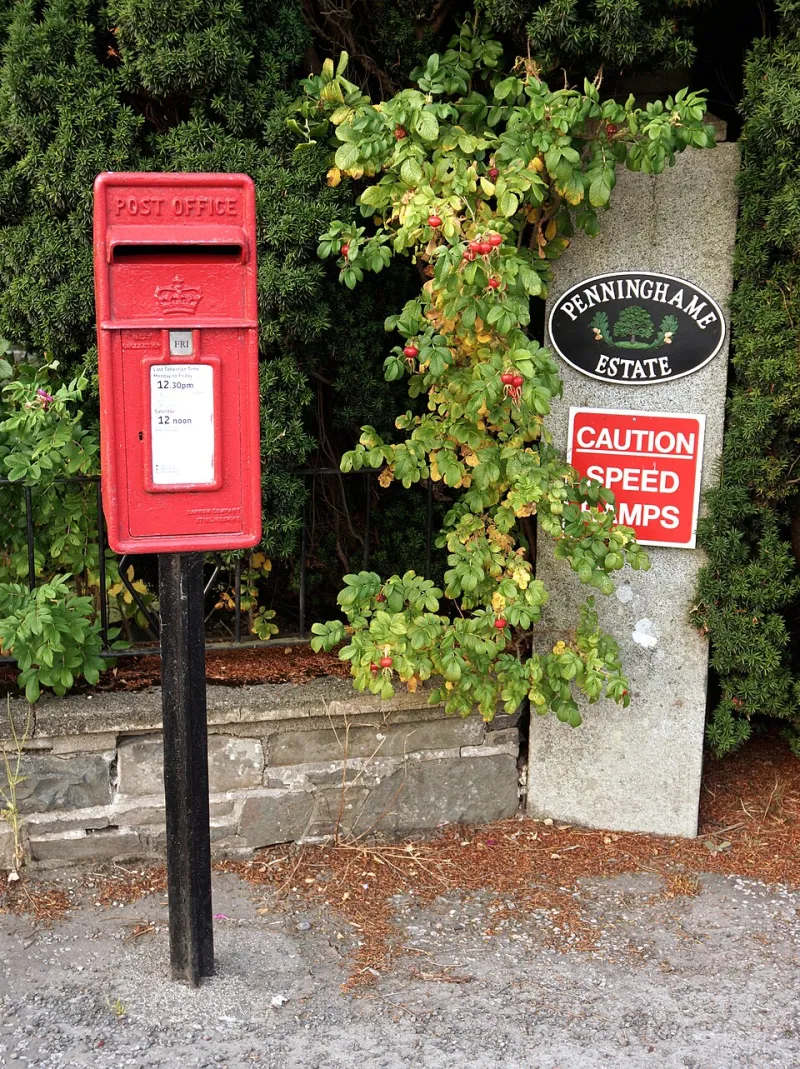
Photo: Anthony O'Neil , CC BY-SA 2.0, via Wikimedia Commons
For many rural SMEs, the despatch day is shaped less by pick, pack and label than by geography. A farm shop in Devon, a specialist workshop in the Yorkshire Dales or a small manufacturer in rural Cumbria may face a forty-minute drive to the nearest carrier depot, a narrow collection window and a surcharge structure that assumes dense urban volumes. The village post office, meanwhile, may have counter space, secure storage and opening hours that align with local footfall. The question is whether that counter can become a controlled consignment node rather than an informal drop-off point.
The case is not simply that rural post offices are convenient. Convenience without custody controls creates disputes; local goodwill without a service definition creates expectations that cannot be met. A micro-depot model only works if it is treated as a network design decision, with clear acceptance rules, scan evidence and a cost per parcel that reflects every handover.
The operational case in brief
Rural despatch costs are driven by stem mileage, failed collections and the labour of moving small volumes over long distances. A micro-depot at a village counter can aggregate parcels from several local businesses into one linehaul movement, reducing the number of individual trips to a regional hub. It can also provide a local collection point for inbound parcels and returns, which matters where home delivery is unreliable because of access, absence or address ambiguity.
The model has limits. Counter space is rarely designed for parcel sorting. Subpostmasters are independent business operators with existing duties, not warehouse staff. Any pilot must therefore start with volume density and distance to the hub, not with a general aspiration to support rural business. Branches with low parcel volumes, limited secure storage or opening hours that do not match a linehaul schedule are poor candidates.
Three partnership models
Carrier drop-off with counter scan-in. A subpostmaster accepts pre-labelled, pre-paid parcels for a nominated carrier, scans them into a manifest and holds them for a fixed daily collection. This is the simplest model, but it depends on carrier cooperation and clear liability rules at acceptance.
Consolidation by a local operator. A neutral micro-depot receives parcels from several SMEs, sorts them by carrier and service, and passes them to a regional hub. This gives more control over linehaul and exceptions, but it requires space, trained staff and a commercial agreement that recognises the counter's constraints.
Collection and returns point. The branch holds inbound parcels for local collection and accepts outbound returns. This can reduce failed deliveries and improve the returns experience for rural customers, but it introduces identity checks, storage limits and age-restricted goods controls. It should not be combined with the first two models until custody and evidence are proven.
In all three models, the Post Office network is not a general carrier. Arrangements must respect existing branch rules, carrier contracts and the subpostmaster's independence. A pilot should be negotiated as a commercial partnership, not imposed as an operational instruction.
A pilot framework
Step one: baseline the current position. Collect four weeks of parcel data by day, postcode, carrier, service and value band. Record stem miles, cost per parcel, first-attempt delivery, failed collections and returns. Without a baseline, any improvement is anecdotal.
Step two: select three to five counters. Use minimum volume thresholds, secure storage, opening hours and proximity to a linehaul route. Visit each branch and observe the counter at its busiest hour. A branch that cannot absorb ten extra parcels without disrupting queue times is not ready.
Step three: define the scope narrowly. Begin with standard, non-perishable parcels below a value threshold. Exclude age-restricted goods, high-value items and anything requiring specialist handling. Keep labels and paperwork simple enough for counter staff to process without a warehouse-scale system.
Step four: agree custody and evidence. Specify who owns the parcel at each point: acceptance at counter, sealing and manifest, collection by the linehaul driver, arrival at the hub. Use a scan at every handover and a single exception log. The pilot should prove custody before it proves convenience.
Step five: set the service promise. Publish the counter cut-off, the collection time and the expected delivery window. Train counter staff on what they can and cannot accept. Give customers a plain explanation of what the micro-depot does and does not offer.
Step six: run for eight weeks with weekly review. Track all-in cost per parcel, first-time delivery, counter dwell time, exception rate, customer collection success and subpostmaster time. Include the cost of any additional staffing or storage, not only the carrier invoice.
Step seven: apply a stop-go test. Scale only if cost per parcel falls without shifting unpaid work onto the branch, and if service improves without creating new failure points. A pilot that looks cheaper because it hides labour in the counter is not a viable model.
Controls that decide success
Custody, training and space are the three controls that most often determine whether a micro-depot survives contact with peak season. Counter staff need a short, practical acceptance checklist and a clear escalation route for damaged, unpaid or prohibited items. Parcels should arrive pre-labelled and pre-paid; the counter should not become a packing station. Storage should be segregated by carrier and collection day, with a cap on held items.
With peak trading already underway in November 2026, rural branches should also set volume caps before December. A village counter that accepts every parcel in the first week of December will fail quietly in the second. The pilot should include a fallback arrangement for days when the linehaul is late or the branch is short-staffed.
What the model can and cannot fix
The micro-depot model is most credible where parcel density, distance to a hub and branch capacity align. It will not fix every rural last mile, and it should not be presented as a substitute for a reliable carrier network. Its value is in creating a controlled local node that reduces stem mileage, improves collection options and gives rural SMEs a more predictable despatch day.
For despatch teams, the practical test is simple: can the counter accept, hold and hand over a parcel with the same evidence standard as a depot? If the answer is yes, a pilot is worth running. If the answer is unclear, the model is not yet ready for customers.